A Different Kind of Peace

A thought from New Zealand, by Muslim Co-Chair Rito Triumbarto, presented as a reflection at the Wellington Abrahamic Council Meeting, 1 December 2025

They say home is where your heart is. My heart is back in Indonesia — where the call to prayer marks the rhythm of the day, and faith is a natural, open part of life.

Eight years ago, I moved to New Zealand. I came looking for opportunity and the peaceful, green land I’d heard so much about. And at first, I found it — or so I thought. It felt calm, but looking back, I realize that calm came partly from something I wasn’t used to: blending in.

For a few years, my faith was just for me and my family. Prayers at home, small gatherings with other Indonesians. Out in public, I was just another person. No one stared. No one commented. I thought that meant I was accepted. I didn’t realize it just meant I was invisible.

Then March 15th, 2019, happened.

The quiet that followed wasn’t peaceful — it was heavy. Full of shock. Our community was seen — not as neighbors or friends, but as targets. Suddenly, being invisible felt dangerous. How could such hate hide in a country known for its kindness?

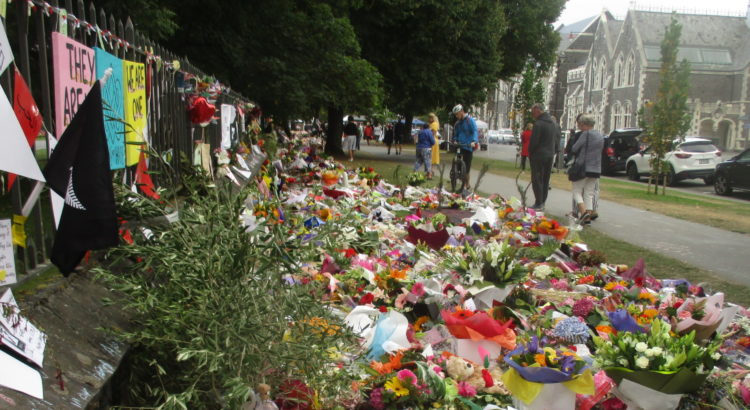
In the weeks after, there was an incredible wave of love. People said, “They are us.” There were flowers, vigils, kindness everywhere. It felt like maybe, from something so awful, real belonging could grow. It felt like the country had decided: hate wouldn’t win.

But time passes, and life moves on. And lately, I’ve started to feel a new kind of unease — maybe even harder to shake than the trauma of that day.

It’s the slow understanding that here, in this same country that stood with us, it’s perfectly legal for someone to stand in public and shout hate against people like me.

Many here see that as a sacred part of freedom. To me, it feels like a luxury I can’t afford. My safety in practicing my faith now feels shaky — weighed against someone else’s right to say I don’t belong. The same law that protects my sister’s right to wear her hijab also protects someone’s right to call it a symbol of oppression.

I’m stuck between two realities: the real warmth and welcome I’ve felt from my Kiwi friends, and the cold truth of a system that gives a voice to those who hate me for what I believe.

March 15th was a horrible, single act of evil. But this — allowing public hate as a matter of right — is like a slow sickness. It quietly tells you that you’re only tolerated, not truly accepted. That your place here can be questioned anytime.
51 seconds for Christchurch on 15 April

Jews, Christians, and Muslims will be falling silent for 51 seconds at 1:40pm on 15 April to remember the Christchurch mosque attacks of 2019. National and local commemorations for the attacks were cancelled last month due to COVID-19, and this is a chance for people to remember the attacks in their own way.

“With the whole country in lockdown, it’s more important now than ever to act together, and pause briefly in silence to think about how we can make our society more inclusive,” says Dave Moskovitz, the Jewish Co-Chair of the Wellington Abrahamic Council of Jews, Christians, and Muslims. “We’re asking people in each household to take less than a minute out of their day on 15 April to think: what can I do, what can our community do, and what can New Zealand do to stop hatred in our thoughts, words, and actions?”

Christian Co-chair Father Ron Bennett adds, “We’re a month late for the 15 March anniversary. It’s sad that commemorations were cancelled last month, but we couldn’t let this important event in New Zealand history go unmarked. We’re asking people to take 51 seconds – that’s one second for each life lost in the attacks – to build a more compassionate society. COVID-19 might slow us down, but it can’t stop us. Better late than never.”

Islamic Women’s Council of NZ Coordinator Anjum Rahman says that it is not Muslim practice to commemorate the deaths of specific people as death is a transition from one stage of life to another. “These attacks had a strong impact on our wider society. Many of us feel less safe now than we did before the attacks, and every person in our country has the basic human right to not fear for their lives, no matter what their religious beliefs are, nor how they might identify as a person. Celebrating difference and valuing others is the best way to counter hate.”

So on 15 April, take 51 seconds to remember the Christchurch mosque shootings, and join Jews, Christains, and Muslims around the country to think about how we’ve changed, and what we can do to make our society more inclusive. Please share this, and invite your friends to our Facebook Event.

Thank You NZ from the Muslim Community

Thank you, New Zealand

I want the world to know the appreciation, love, and gratitude we have for New Zealand.

Thank you for the way you handled the unthinkable catastrophe that struck this nation on Friday 15 March 2019.

No nation is immune to such events but we are remembered for how we handle them. Thank you for showing the world how to deal with disasters of this magnitude.

Thank you to the people of this blessed nation. It was never easy but you showered the victims with care.

Thank you to the Government, with all its agencies, units and branches. Thank you to the Prime Minister for her leadership as we grieved and mourned. Her honest and personal approach, along with her swift actions, showered love and compassion on the nation.

Thank you to the law enforcement agencies, with all its units. Thank you to our health professionals. Thank you to the NGOs, political parties, community leaders, individuals, churches, synagogues, temples and people of other faiths, as well as the general public.

The intention was to strike at our core values, our social, political and religious fabric, our identity as a nation and our dignity as New Zealanders. Our enemy intended to weaken us. Instead, New Zealand emerged stronger, more united, and harmonious.

We must learn positive lessons from this tragedy and redouble our efforts to protect our future. We must enhance our education system. We must focus on our youth.

Above all, we must strengthen our ethnic relations so that we can build a better future for our nation, our children, and so that no evil action can divide us.

Tahir Nawaz, Muslim leader
President, International Muslim Association of New Zealand
Member, Wellington Abrahamic Council